
Kilt Measuring Guide
Follow this guide carefully before placing your order to ensure that
your custom kilt is made with the correct fit, length and proportions.
Why Accurate Kilt Measurements Matter
If you are buying a kilt online for the first time, please read
this guide carefully and follow each step properly. Accurate
measurements help us create a kilt that fits comfortably and
hangs correctly.
It is much easier to take the correct measurements before ordering
than to receive an incorrectly fitted custom item. Returns or
alterations can be costly and time-consuming.
Always take fresh body measurements with a soft measuring tape.
Essential Measurements
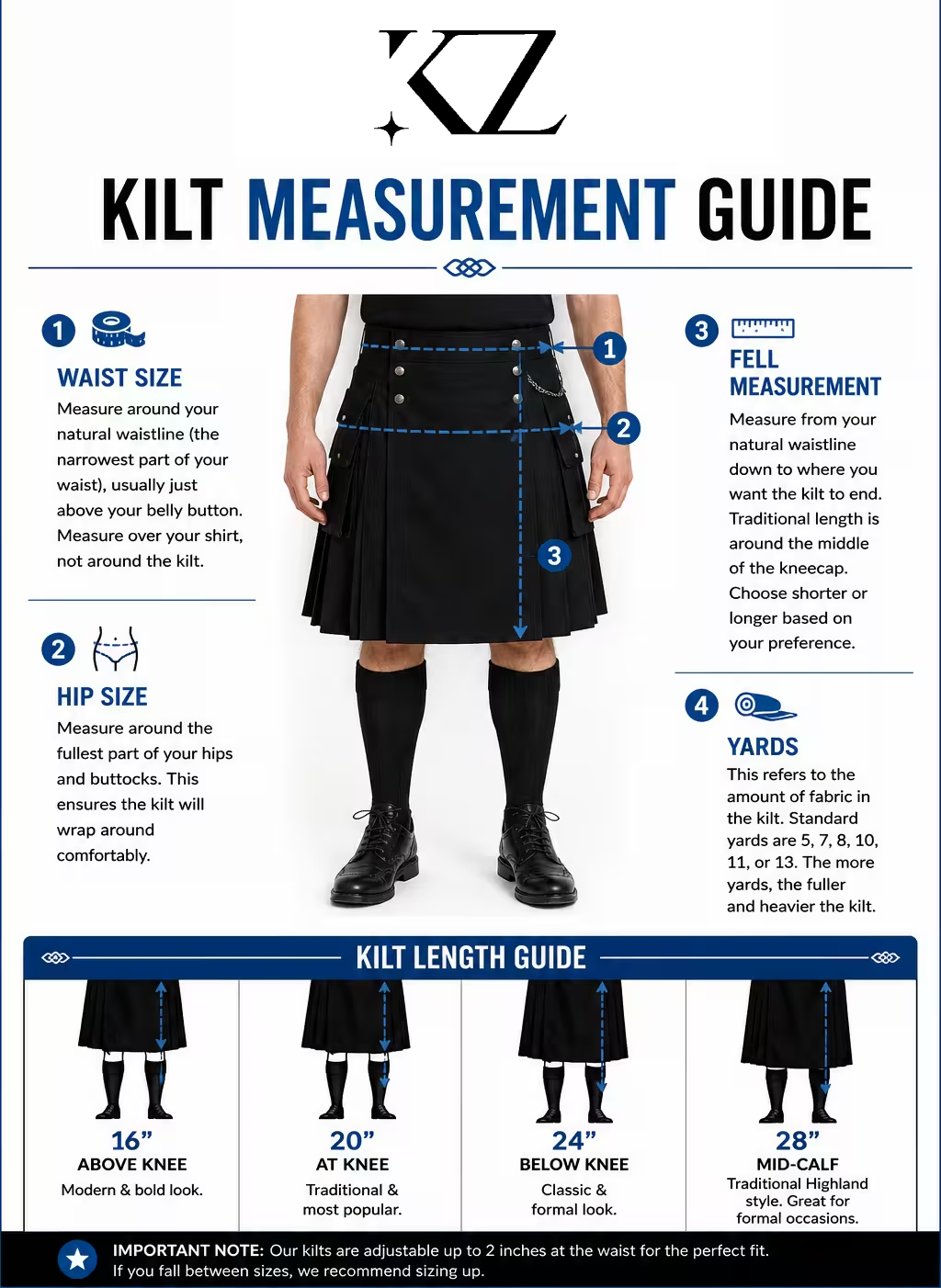
- 01
Hip size - 02
Waist size - 03
Kilt drop length
How to Measure for Your Kilt
Stand naturally, keep the measuring tape level and record every
measurement in inches.
more accurate measurements than measuring yourself.
Take the Three Main Measurements
Use a soft measuring tape and record each measurement without
pulling the tape excessively tight.
Measure Your Hip Size
Wrap the measuring tape around the fullest part of your hips and
buttocks. Keep the tape level all the way around your body and
avoid pulling it too tightly.
We need your hip measurement to ensure that the kilt fits
comfortably around the widest part of your body. A waist
measurement alone may not provide enough information for the
correct fit.
Stand with your feet naturally positioned and make sure the tape
passes around the fullest part of your seat.
Measure Your Waist Size
Wrap the measuring tape around the position where you intend to
fasten and wear the kilt. A traditional kilt is commonly worn
around the natural waist, close to the belly button, rather than
at the lower position where modern trousers are often worn.
Stand naturally and breathe normally while taking the
measurement. Do not hold your breath or pull the tape tightly
into your body.
People with a larger stomach may prefer to wear the kilt around
the navel, as this can provide a more comfortable and flattering
appearance.
Measure the exact position where the top of the kilt will sit.
Do not submit your usual trouser size.
Measure the Kilt Drop Length
The kilt drop is the vertical measurement from the position where
the top of the kilt will sit down to the point where you want the
bottom of the kilt to finish.
Stand upright and look straight ahead while another person
measures down the front or side of your body. Do not bend forward
to look at the tape, as this can change the measurement.
A traditional men’s kilt normally finishes around the middle of
the kneecap. However, the final length can be adjusted according
to your height, style and personal preference.
Approximately 24 inches
Approximately 20 inches
These figures are general averages only. Always submit your
personally measured drop length rather than relying solely on an
average.
Additional Options You May See
Some custom products may request additional information. Complete
these fields according to the options shown on the individual
product page.
Fell Measurement
The fell is the distance from the top of the kilt to the point
where the stitched pleats end and begin to open freely.
This measurement may be requested for certain traditional or
highly customized kilts. Follow the instructions provided on the
relevant product page.
Fabric Yardage
Yardage refers to the amount of fabric used to construct a
traditional tartan kilt. It is not a body measurement.
Kilts made with more yards of fabric generally have deeper,
fuller pleats and a heavier traditional appearance.
Before Submitting Your Order
Important Measuring Tips
Use a soft tape
Use a flexible tailor’s measuring tape rather than a metal
construction tape.
Measure in inches
Record the measurements in the same unit requested on the
product page.
Stand naturally
Do not hold your stomach in, bend forward or alter your normal
posture.
Measure twice
Repeat every measurement and confirm the figures before
submitting your order.
Ask for assistance
Have another person take the measurements, particularly the
kilt drop.
Do not estimate
Avoid guessing or using measurements from an older garment
unless specifically instructed.
Find a Kilt Made for Your Measurements
Once you have recorded your waist, hip and drop measurements, explore
our collection of traditional, utility and modern kilts.